About the project

Project name: Theoretical modeling of macroscopic and microscopic systems (TEMPO)
logo projekta Project number: 581-UNIOS-102
Field: STEM
Project proposal proposer: Maja Varga Pajtler, Assistant Professor, Department of Physics, J. J. Strossmayer University of Osijek
Project duration (in months): 48
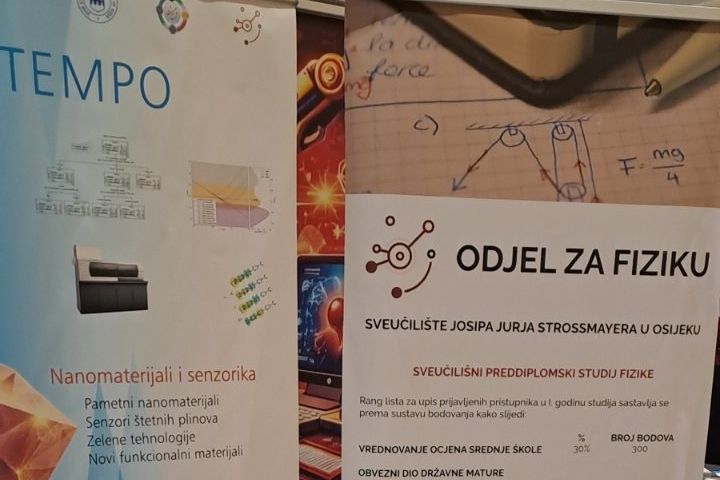
Project summary: The Theoretical Modeling of Macroscopic and Microscopic Systems(TEMPO) project is aimed at developing theoretical models that are applied in the fields of nanomaterials, biomedicine, digital transformation and fundamental physics. Using methods of quantum mechanics and density functional theory, the stability and electronic properties of new nanomaterials are investigated, with the aim of developing efficient sensors for the detection of harmful gases. In the biomedical segment, models are developed for reliable identification of molecular fragments in mass spectra, which contributes to the development of diagnostic tools for the early detection of chronic lymphocytic leukemia. Research into the impact of digital technologies is based on statistical data analysis, with the aim of understanding the factors that determine their acceptance and effective application in society. In the field of fundamental physics, the project investigates the violation of Lorentz symmetry through the analysis of gamma rays from space sources, using advanced statistical methods and computational tools. Innovation project is reflected in connecting theoretical models with experimental data, developing new onesanalytical methods and the use of advanced digital infrastructure, which foundations are being created for future applications in science and technology.
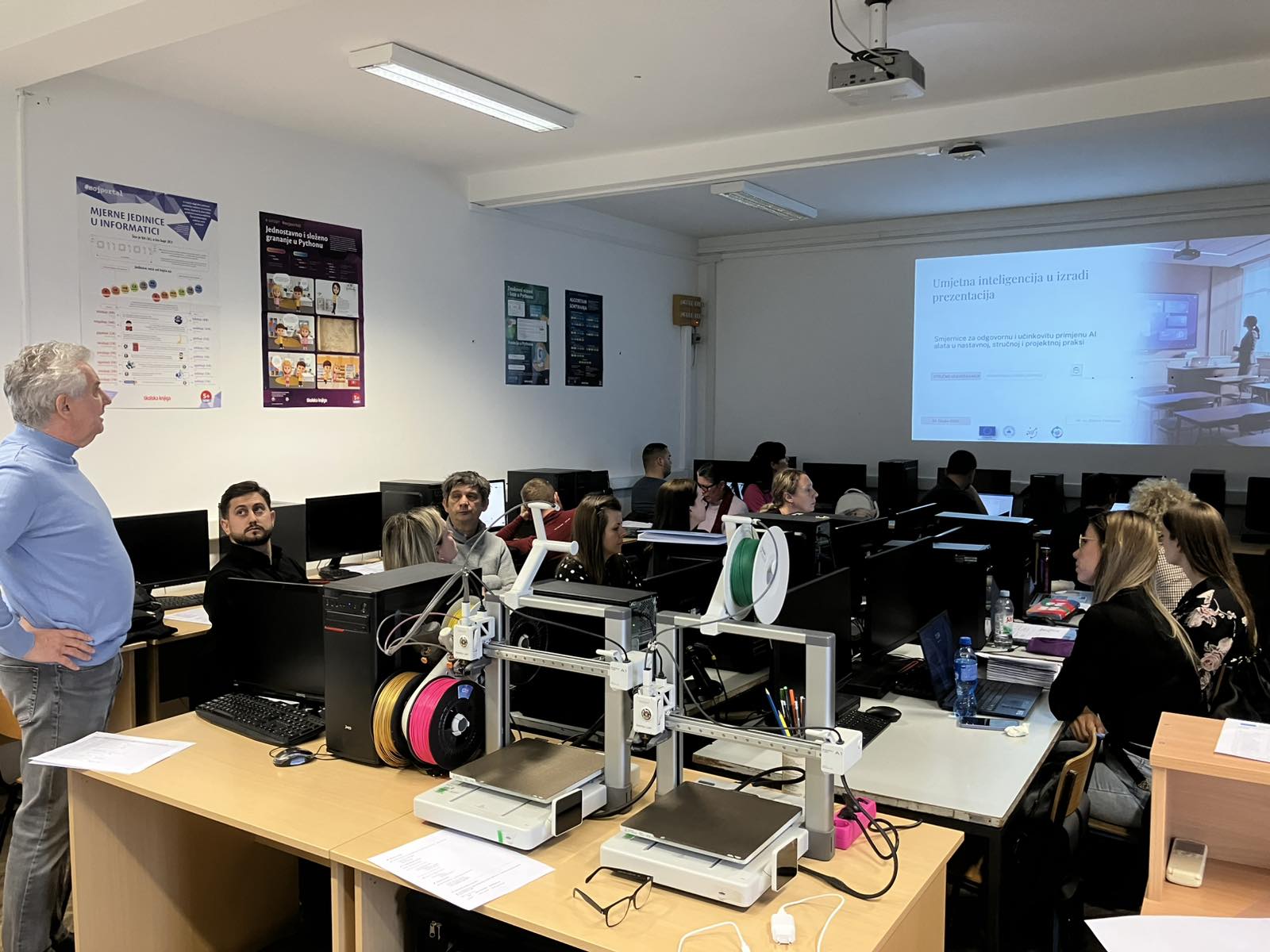
Lecture 'AI Tools in Presentation Design'

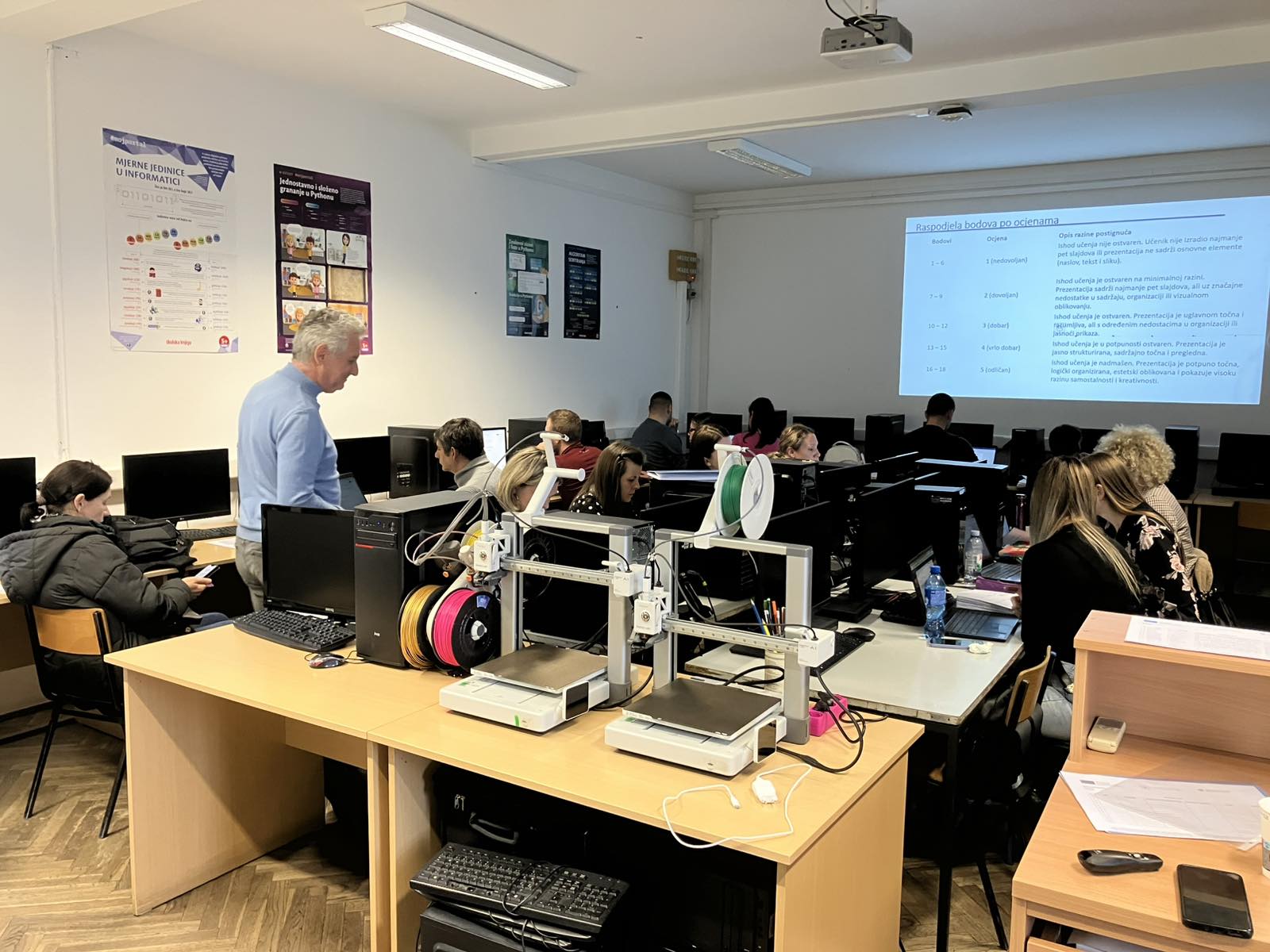
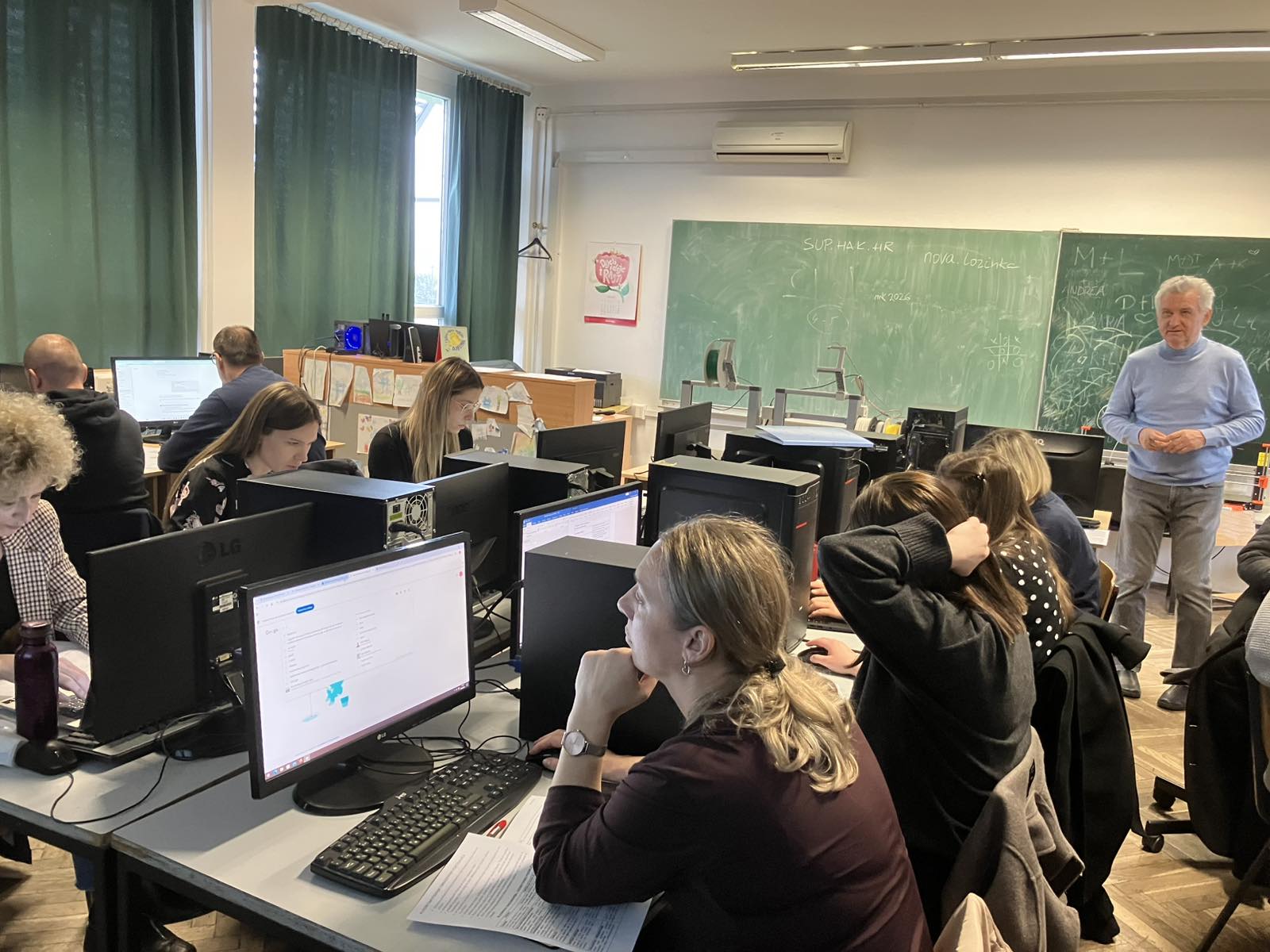
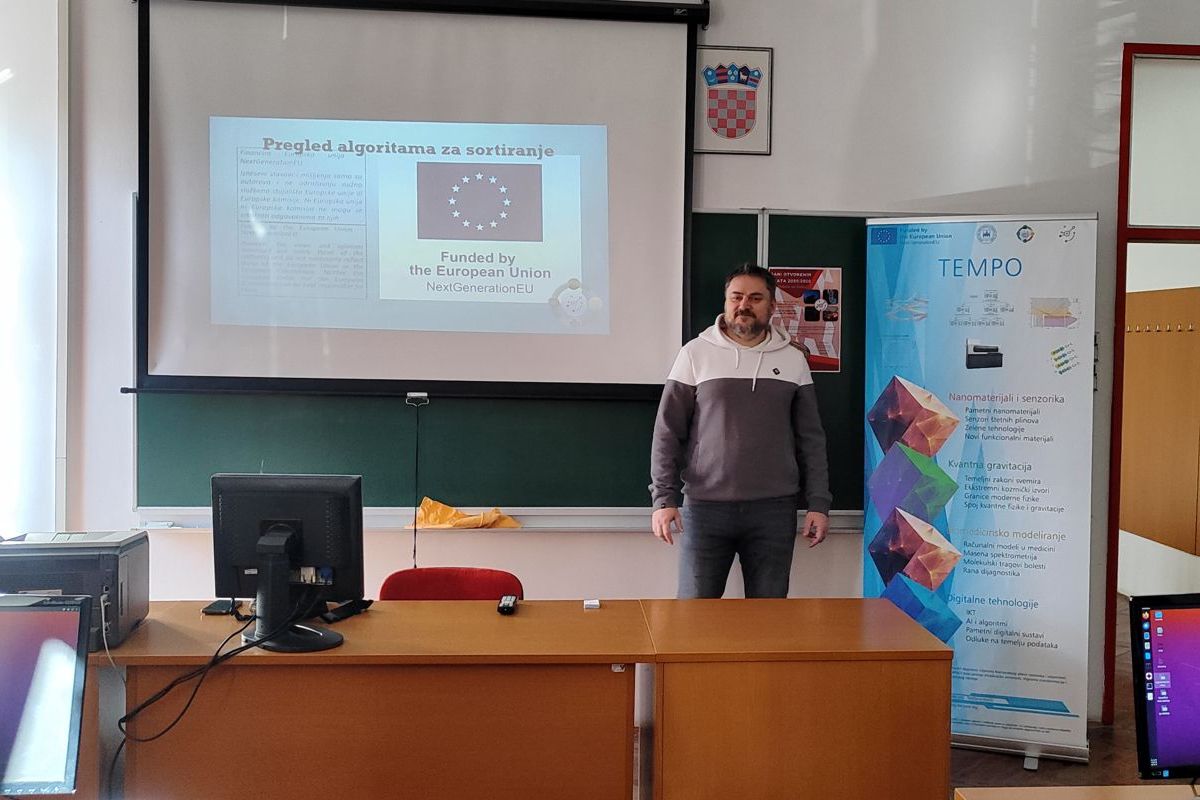
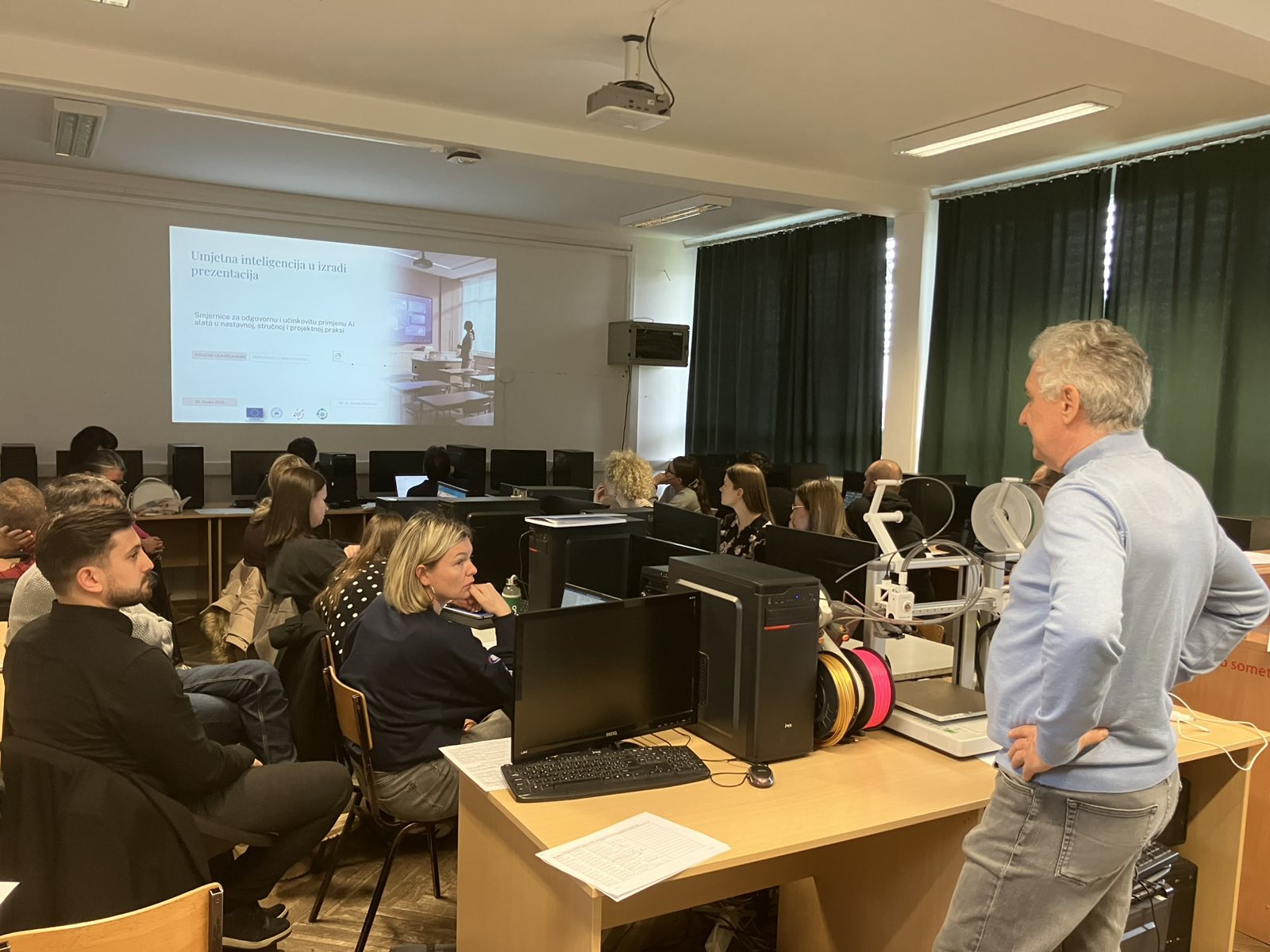
As part of the inter-county professional development event, held on March 30, 2026, mr. sc. Slavko Petrinšak delivered a lecture titled 'AI Tools in Presentation Design'. The lecture focused on enhancing the competencies of trainee teachers in the use of artificial intelligence for creating professional, educational, and project presentations. Participants were introduced to key guidelines for the responsible and effective use of AI tools, with particular emphasis on their application in data analysis, the generation of visual representations, and the structuring of content. Special attention was given to selecting appropriate graphical representations depending on the type of data and the purpose of the presentation, as well as to the importance of verifying the accuracy, reliability, and timeliness of information generated or processed by AI tools. The lecture also addressed pedagogical aspects of using artificial intelligence in education, particularly in the context of developing students’ critical thinking skills and promoting the responsible use of digital technologies.

TEMPO Project Presented at Dubrovnik EXPO

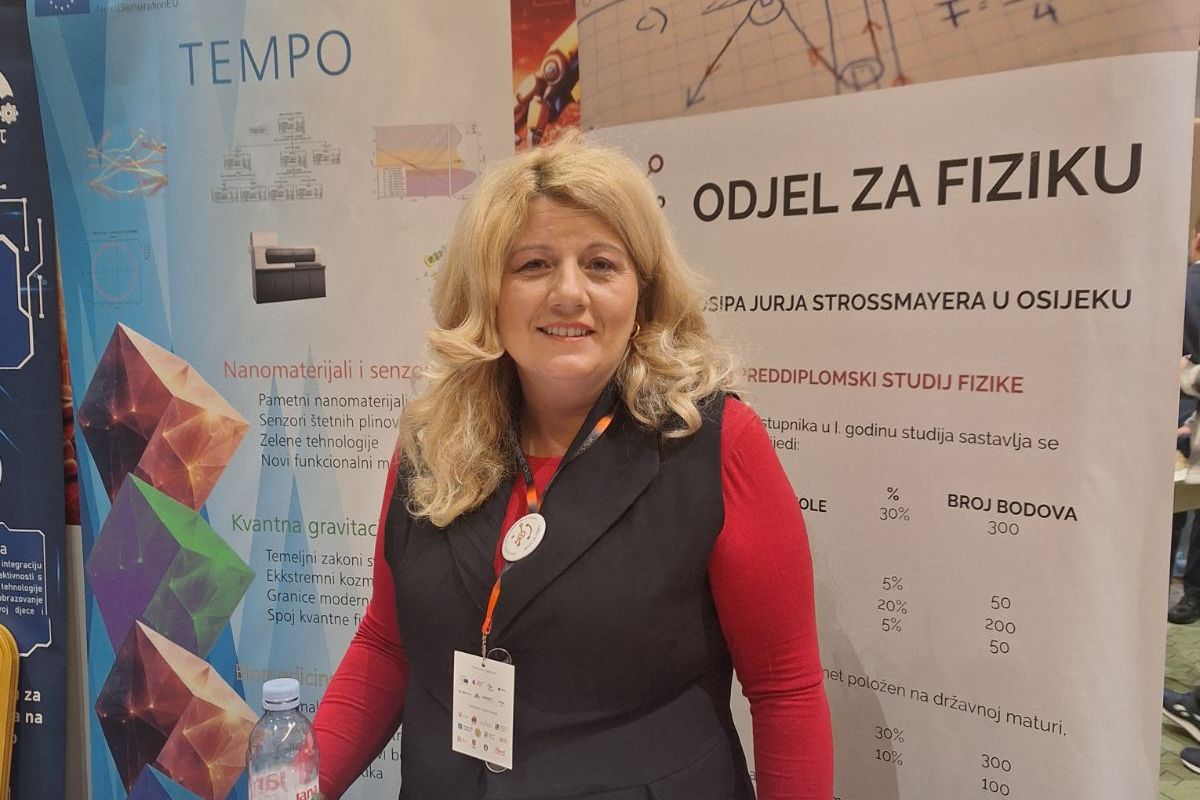
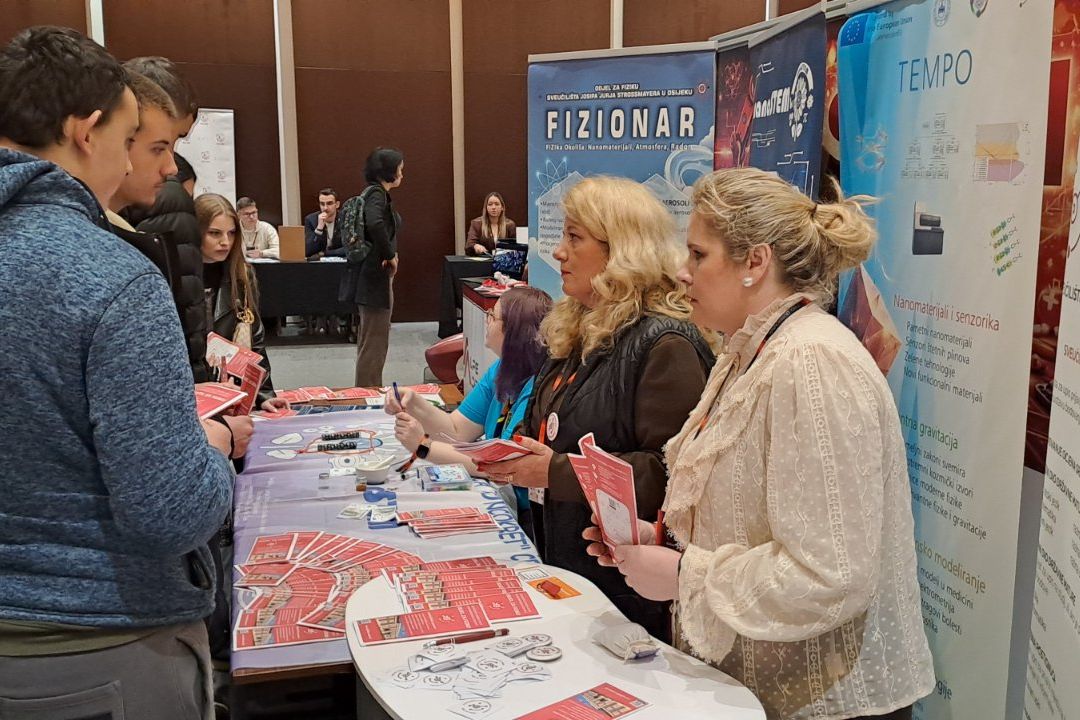
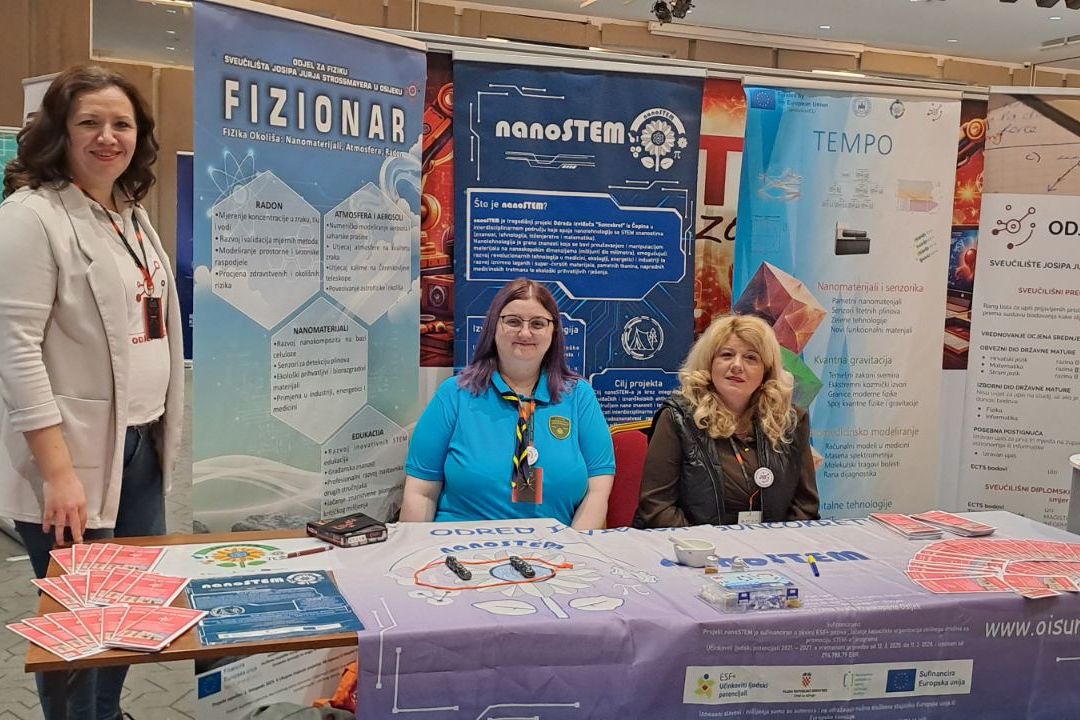
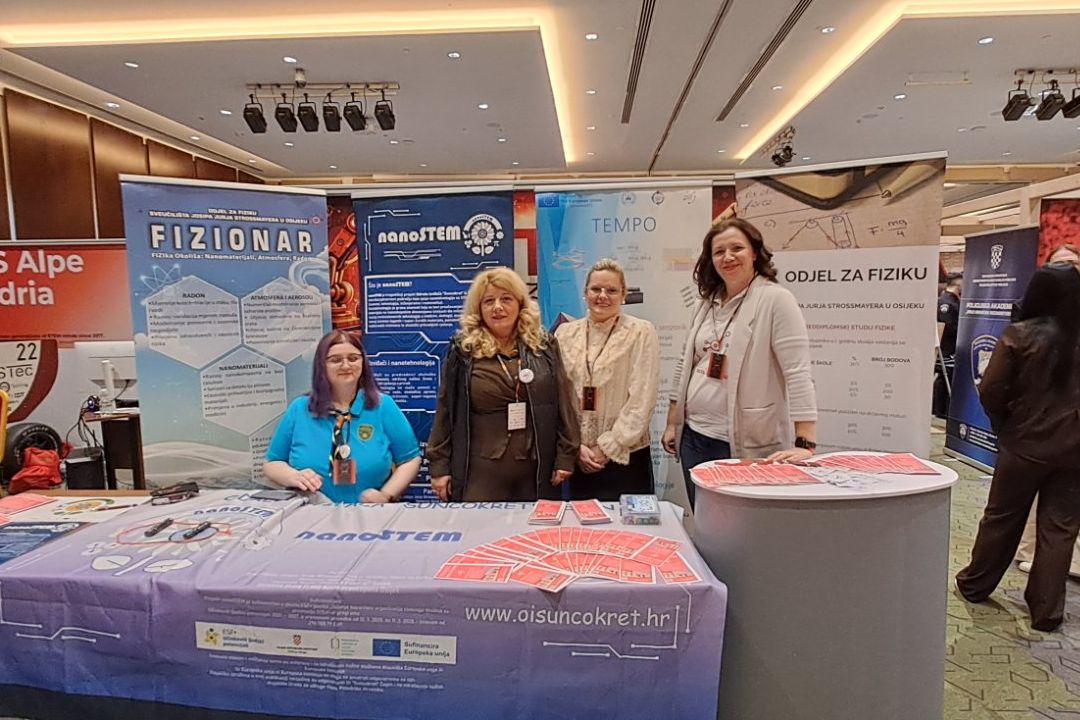
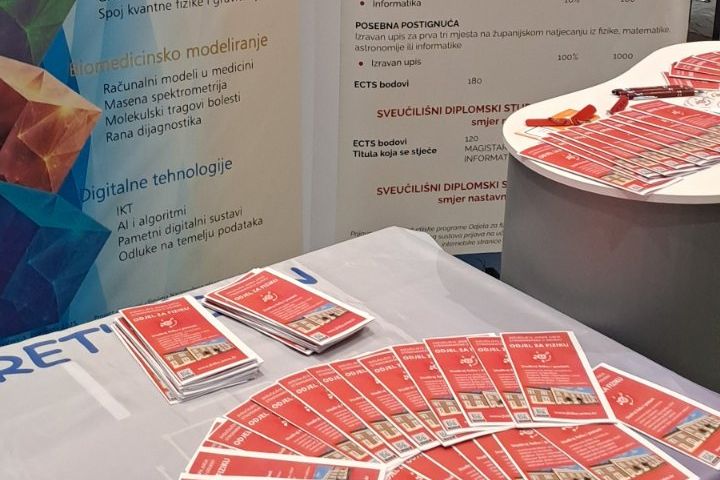
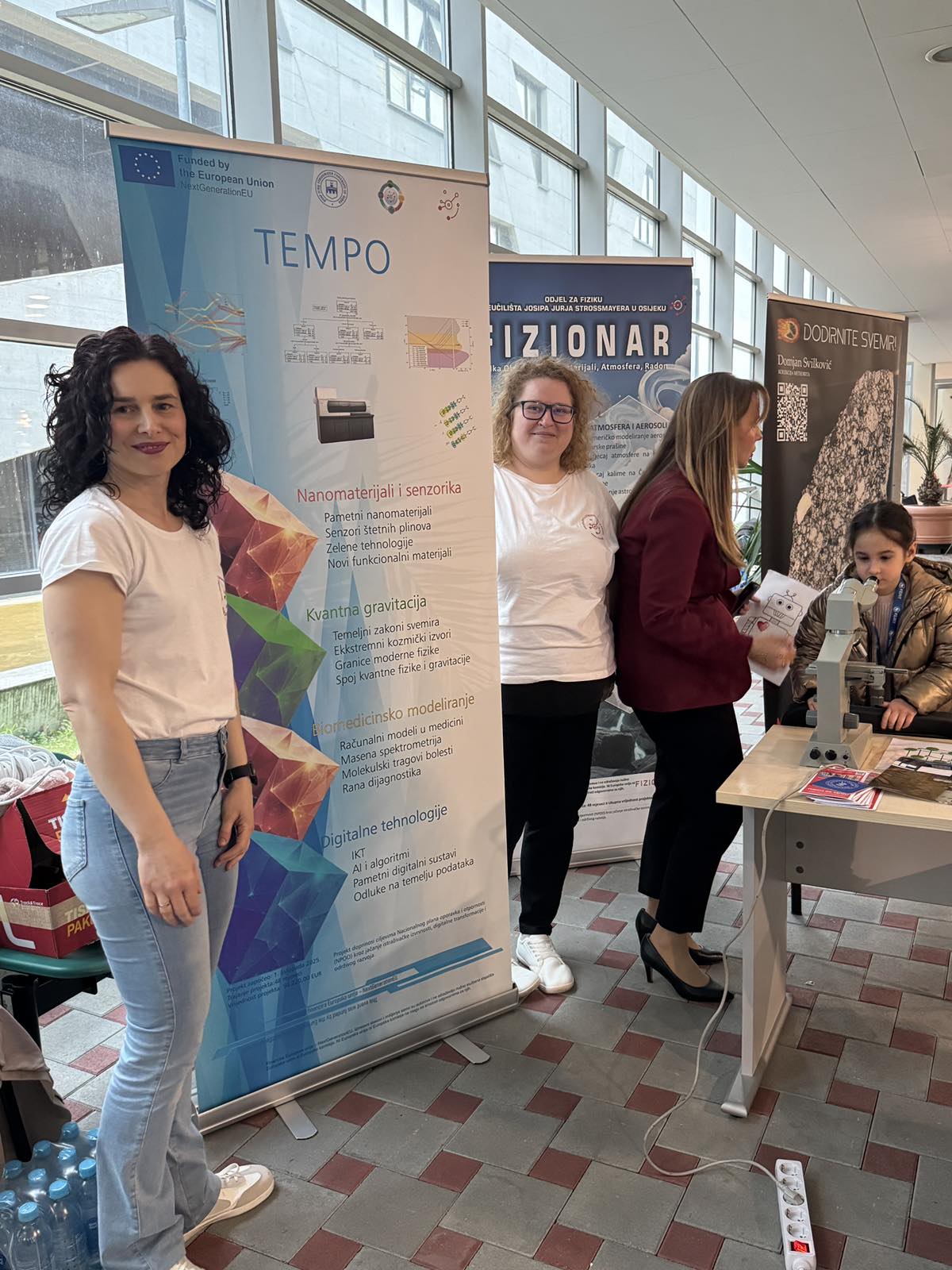
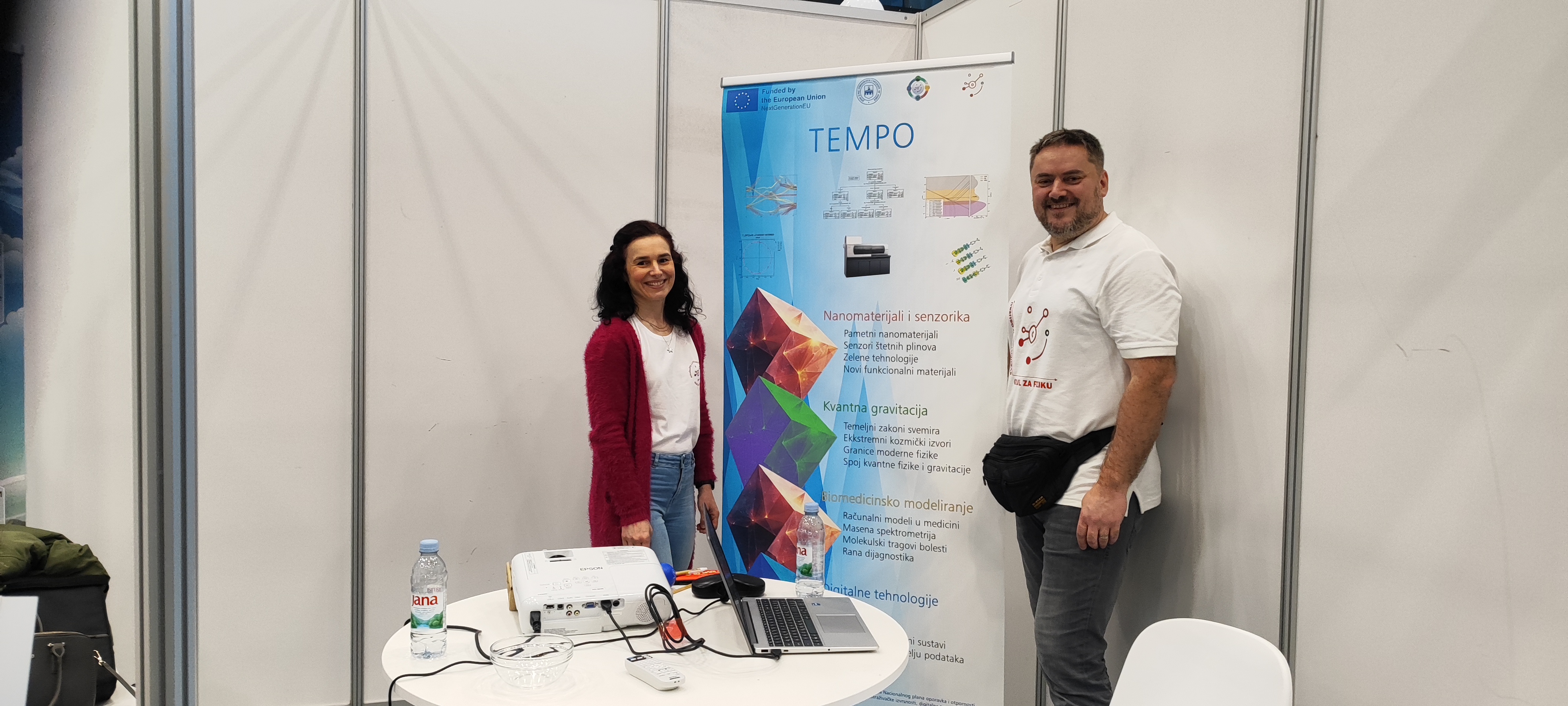
The project TEMPO (Theoretical Modeling of Microscopic and Macroscopic Phenomena) was presented on March 26–27 at Dubrovnik EXPO, an event that brings together educational institutions, researchers, companies, and young people with the aim of fostering connections, sharing information, and creating new opportunities for collaboration. The project was showcased through an exhibition booth, where visitors had the opportunity to receive all relevant information about its objectives, activities, and significance. Throughout the event, direct interaction was established with high school students, university students, and professionals from various fields. Participation in Dubrovnik EXPO enabled the exchange of knowledge, the establishment of new contacts, and opened up possibilities for future collaborations with both academic and industry partners. A special emphasis was placed on the popularization of science and bringing research topics closer to younger generations.

TEMPO Project Presented at the Science and Arts Days of the Josip Juraj Strossmayer University of Osijek

ilustracija

On 12 and 13 March 2026, the TEMPO project was presented to visitors at the Science and Arts Days of the Josip Juraj Strossmayer University of Osijek, held at the Faculty of Agrobiotechnical Sciences. During the two-day programme, members of the project team introduced visitors to the objectives and key activities of the TEMPO project. Particular attention was given to the interactive workshops, designed to present scientific topics to the wider public in an accessible way, especially to the youngest audiences.

New paper published on charge dynamics at metal oxide/manganate perovskite interfaces

ilustracija

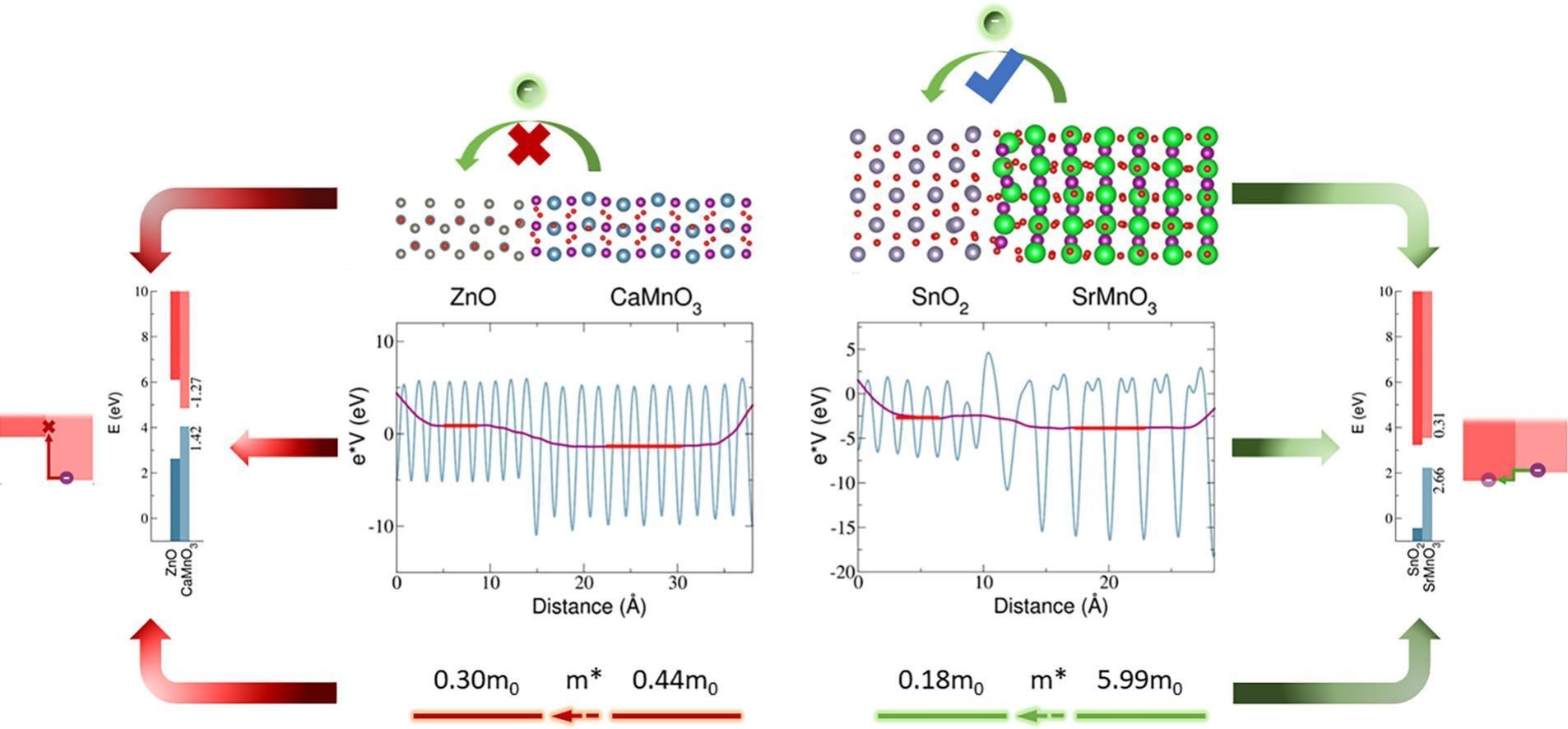
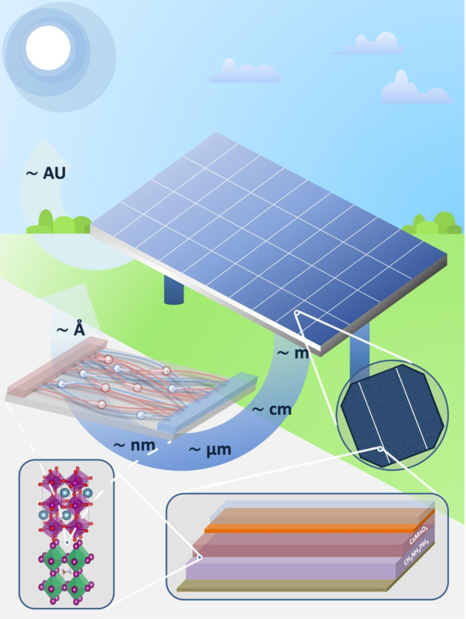
A research paper titled 'Insights into the charge dynamics at metal oxide/manganate perovskite interfaces from density functional theory' by Ivan Kovač, Maja Varga Pajtler, Mateo Topalović, and Igor Lukačević has been published in the international journal Applied Surface Science (Elsevier, 2026). The paper investigates charge carrier dynamics at the interfaces of inorganic manganate perovskites (CaMnO₃, SrMnO₃ and BaMnO₃) with commonly used metal oxide electron transport layers (ZnO, TiO₂ and SnO₂) using density functional theory. The results identify SnO₂/SrMnO₃ and SnO₂/BaMnO₃ heterostructures as particularly promising candidates for photovoltaic device integration, owing to their low lattice mismatch - which would enable epitaxial growth - and a desirable type II band offset that promotes spontaneous electron transfer from the perovskite absorber into the transport layer. The paper can be downloaded at the link HERE.

TEMPO workshops held at the Department of Physics in Osijek

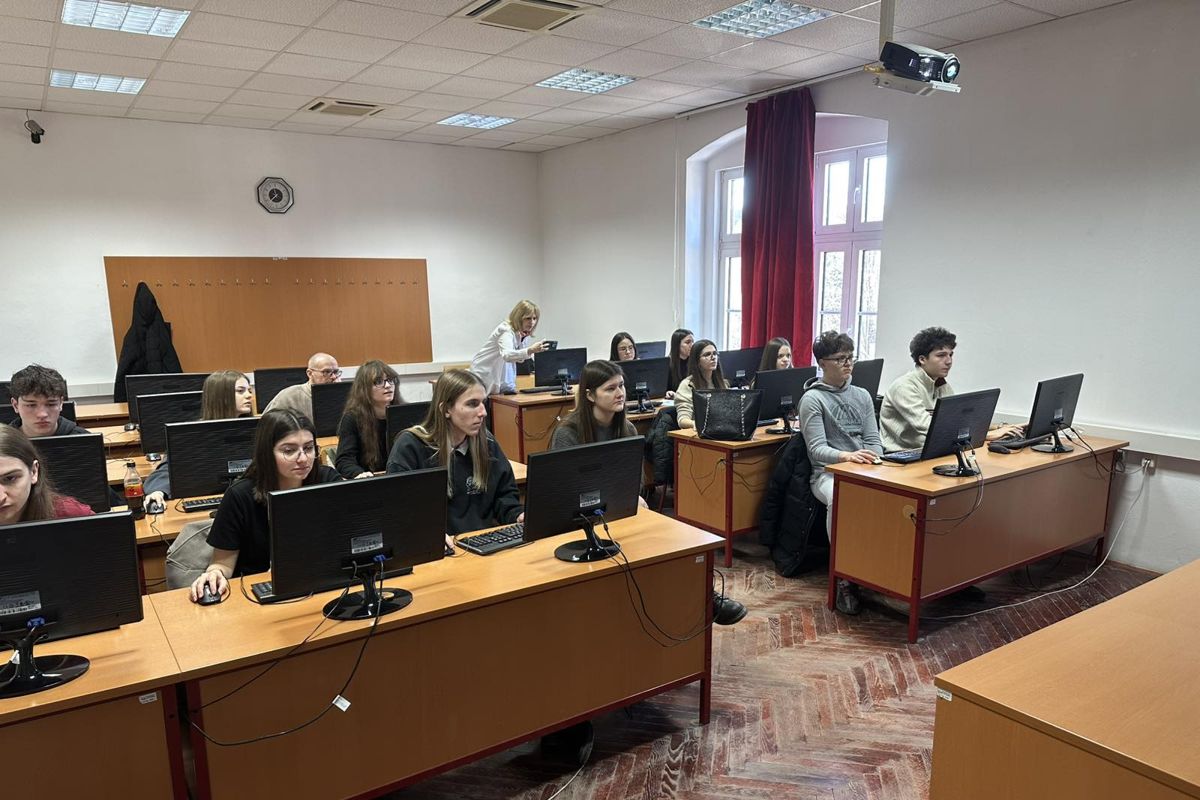
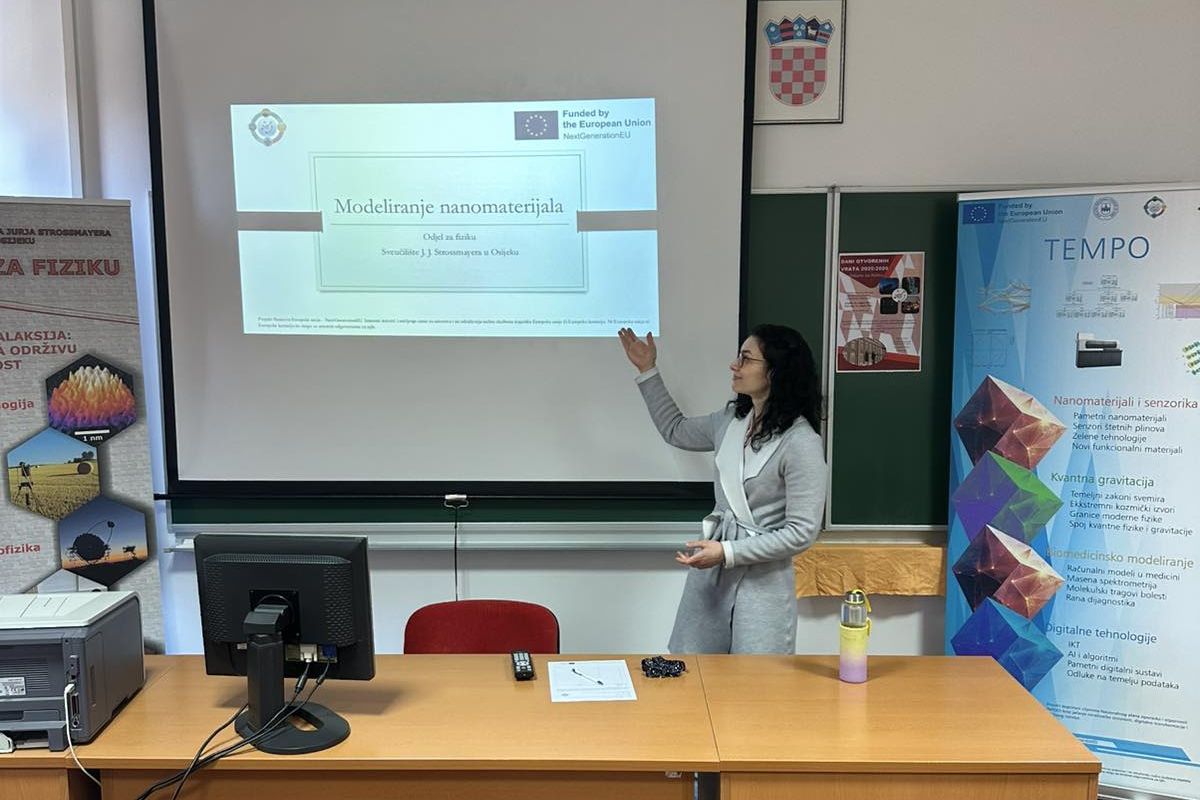
As part of the TEMPO project, on February 18, two workshops were held at the Department of Physics of the Josip Juraj Strossmayer University in Osijek, aimed at high school students, students and all those interested in science and technology. The workshop 'Modeling Nanomaterials' was led by Assoc. Prof. Maja Varga Pajtler and Prof. Igor Lukačević, and through interactive activities, participants learned about the world of two-dimensional materials such as graphene and tried how computer modeling predicts the behavior of materials at the atomic level. The workshop 'Overview of sorting algorithms' was led by assistant professor Ivan Vazler, and the participants explored different data sorting methods, their effectiveness and application in everyday situations. The participants found it extremely interesting, and the workshops further stimulated their curiosity and interest in contemporary scientific and technological topics.
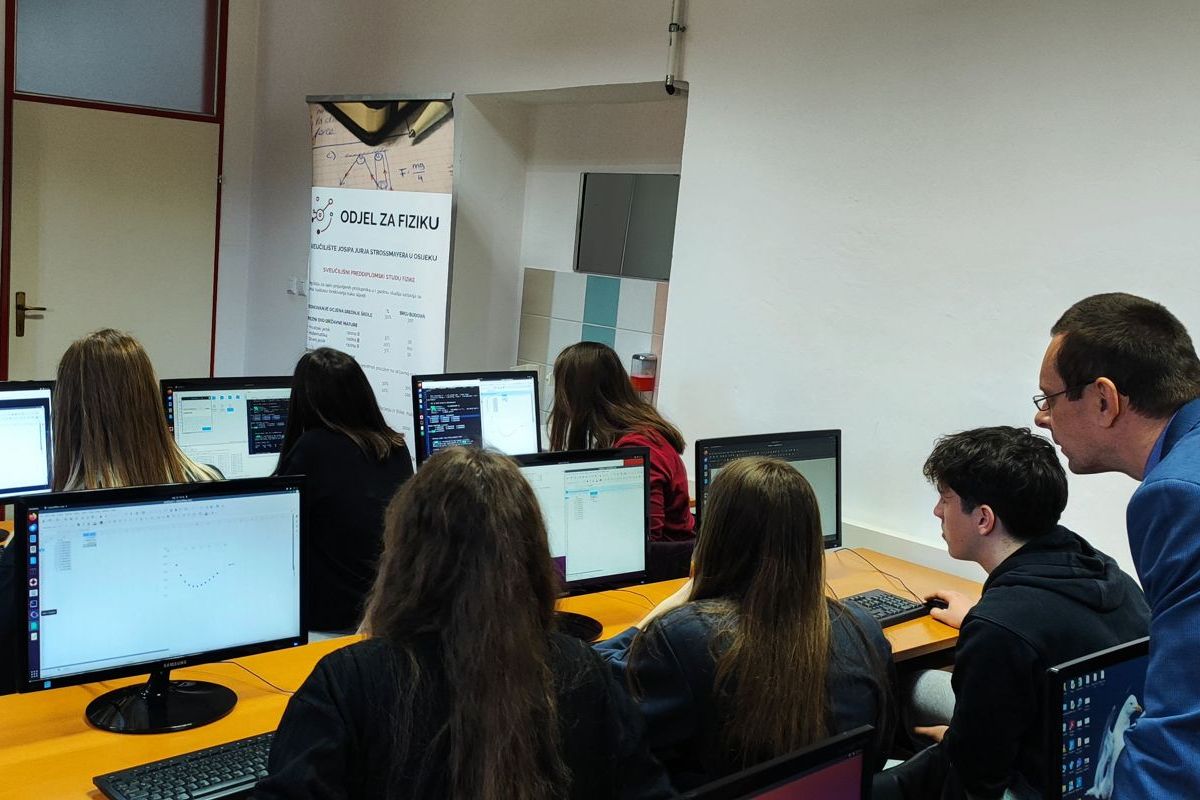
Prof. Dr. sc. Igor Lukačević gave an invited lecture on modeling inorganic perovskite photovoltaic cells

ilustracija

Prof. Dr. sc. Igor Lukačević gave a lecture entitled 'Modeling of inorganic perovskite photovoltaics' at the International Conference on Quantum Materials (ICQM-2026) on February 14, 2026. The lecture covered the research of inorganic perovskites based on manganese (CaMnO₃, SrMnO₃, BaMnO₃) as promising materials for photovoltaic applications. The results of the modeling of photovoltaic cells with simplified architecture, with special attention paid tooptimizing the electron transport layer (ETL) as a replacement for conventional TiO₂. As part of the research, the heterostructures of metal were analyzedoxides (ZnO, SnO₂, TiO₂) with manganate perovskites by DFT and DFT+U methods, including electronic structure, charge carrier effective masses and interfacial properties.

Assoc. Prof. Maja Varga Pajtler gave a lecture on the stabilization of aluminum by graphene encapsulation

ilustracija

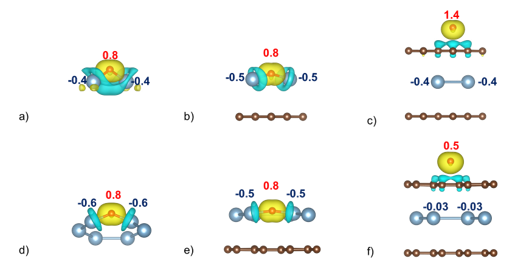
Maja Varga Pajtler gave a lecture entitled 'Stabilization of Aluminene Against Oxidation by Graphene Encapsulation' at the International Conference on Quantum Materials (ICQM-2026) on 13 February 2026. The lecture covered the study of aluminane, a two-dimensional material that is extremely interesting due to its high specific heat capacity, high electrical conductivity and sustainability, but also its tendency to oxidation, which limits its practical application. By applying density functional theory (DFT) and molecular-dynamics simulations, three systems were investigated: aluminane, a bilayer graphene/aluminene, and an encapsulated trilaminar structure graphene/alumine/graphene. The results show that encapsulation with graphene dramatically reduces oxygen interaction with aluminane due to electrostatic shielding of the graphene layers, which prevents the formation of chemical bonds and paves the way towards the stabilization of aluminane under ambient conditions.

TEMPO Talks 2026 Workshops

Department of Physics invites all those interested in natural sciences and computing to participate in a series of educational workshops that provide insight into contemporary methods of scientific and research work. The following workshops will be held within the program:

Modeling of nanomaterials
The workshop provides an introduction to the world of nanomaterials, with an emphasis on two-dimensional materials such as graphene. Through theoretical and practical examples, participants will be introduced to methods of theoretical and computational modeling of materials at the atomic level. Basic methods of modern physics will also be presented, including quantum mechanical models and density functional theory, with an emphasis on their application in research work.
Overview of sorting algorithms
The goal of the workshop is to introduce participants to various algorithms for data sorting, from classic to advanced and less common methods. Participants will gain an understanding of the efficiency, complexity, and applicability of individual algorithms and learn how to choose the optimal approach for a specific problem. The workshop contributes to the development of logical thinking and understanding of the fundamental principles of computing.
Application of transfer matrices to long-range systems
The workshop is aimed at introducing the concept of transfer matrices and their application in the analysis of complex physical systems. Participants will gain insight into the methods of calculating thermodynamic and correlation properties of systems and learn about examples of the application of these methods. Special attention will be paid to the example of the 1D Potts model with long-range interactions.
The workshops are intended for high school students, but also for anyone who wants to gain a deeper insight into modern scientific and computational methods and develop analytical and research skills.

Doc. dr. sc. Jelena Strišković na međunarodnoj radionici BridgeQG Workshop

ilustracija

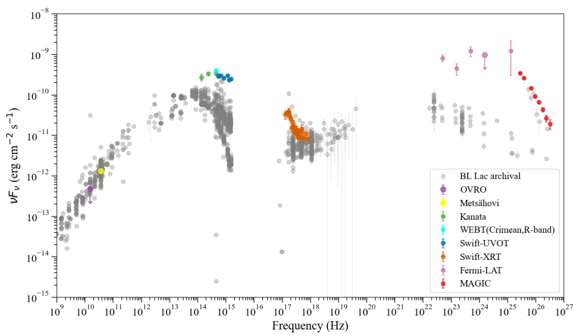
Assoc. Prof. Jelena participated in the international conference BridgeQG Workshop - Bridging High-Energy Astrophysical Modelling and Lorentz Invariance Violation Studies, held on February 4, 2026 in Annecy, France. At the workshop, she gave a presentation under the title 'gLike for Lorentzinvariance violation time-of-flight searches: A joint-likelihoodframework and a case study on BL Lacertae'. The presentation included a case study on an extremely variableto the BL Lacertae source, observed by MAGIC and LST-1 telescopes during exceptional flashes from 2020 and 2021. The results of the search for the violation of Lorentz symmetry are presentedusing the photon flight time method with the application of the gLike tool - program framework for the numerical maximization of joint likelihood functions by which set lower limits on the energy scale of quantum gravity in linear scenario.

TEMPO Project presented at the University Fair

smotra

On January 30. 2026, the TEMPO project was presented to visitors to the Opportunities Fair and the 29th University Review, which took place at the Osijek Economic Center. During the event, members of the project team presented the objectives of the TEMPO project and its main activities. Special emphasis was placed on the interactive workshops that will be conducted during the project, which are designed to bring science closer to the general public. The great interest of visitors confirmed the importance of such initiatives and the need to connect the scientific community and citizens.

Project objectives

The main (strategic) project goals and specific objectives are:

  1. Raising scientific excellence. Increasing the quality and impact of scientific papers and increasing the exposure and visibility of the scientific work of public higher education institutions at the international level and ensuring the prerequisites and resources necessary for the implementation of excellent science.
    1. Increasing the participation of public higher education institutions and public scientific institutes in competitive project financing
    2. Contribution to open science
    3. Strengthening the interdisciplinarity of scientific work
  2. Strengthening cooperation with the economy. Strengthening the orientation towards applied research and overcoming the gap between the research and business sectors.
    1. Encouraging the implementation of applied scientific activities, including cooperation projects with the economy
  3. Strengthening social responsibility. Improving lifelong health and well-being for all.
    1. Popularization of science
Additional objectives related to the Strategic scientific research program at the Department of Physics:
  1. To advance theoretical research at the Department of Physics through applications in areas of importance to the National Recovery and Resilience Program.
  2. To increase the scientific and research capacity of the Department of Physics.
  3. Establish cooperation with economic partners in the fields of green and digital technologies and health.
  4. To expand and strengthen the competencies of young researchers and students at the Department of Physics.

Research team

  • Prof.Dr.Sc. Darko Dukić
  • Assistant Professor, Ph.D. Zvonko Glumac
  • Prof.Dr.Sc. Igor Lukačević
  • M.Sc. Slavko Petrinšak
  • Assistant Professor, Ph.D. Jelena Strišković
  • Mateo Topalović, assistant
  • Assistant Professor, Ph.D. Maja Varga Pajtler
  • Assistant Professor, Ph.D. Ivan Vazler

Funding

The project is funded by the European Union – Next Generation EU. However, the views and opinions expressed are solely those of the author(s) and do not necessarily reflect those of the European Union or the European Commission. Neither the European Union nor the European Commission can be held responsible for them.